



John W. Reavis, Founder
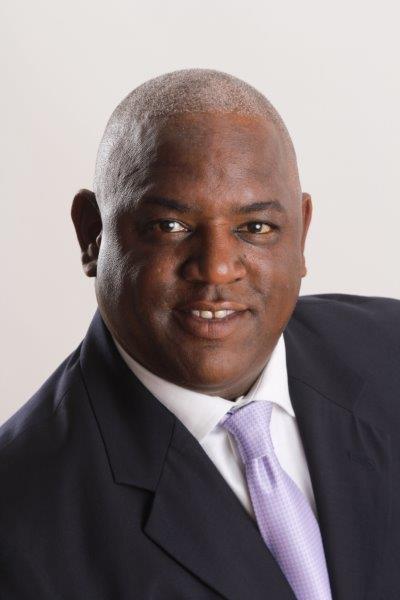
When I arrived in Mali, West Africa as a U.S. Peace Corps Agriculture Specialist, I learned how to build trust without a safety net and find what actually moves things forward.
I spent nearly eight years at a global enterprise technology manufacturer leading global account strategy across a portfolio of Fortune 100 customers. Before that, I built the first dedicated Internet sales organization at a major US telecommunications provider from zero, generating more than $130M in recurring revenue across business internet access and managed services and leading the country in performance five of six quarters.
I founded The Winged Foot Group to do the work I find most meaningful: helping founders and executive teams build the commercial infrastructure that turns a good product into a growing business.
How the firm operates
The firm is the work I am doing now. Through it, I work selectively with founders and operating teams on engagements where the depth I bring is the right match for the problem in front of them. I am also actively evaluating the right in-seat operating role, where I can put my full weight behind a single company's growth at the scale the work demands. The firm gives me the latitude to choose carefully on both fronts.
On engagements that benefit from additional senior expertise, the firm draws on a network of advisors and partners with operating backgrounds across enterprise sales leadership, data center and infrastructure architecture, managed services delivery, and go-to-market execution. Some of these advisors are former colleagues from earlier roles. Some are senior operators at the value-added reseller and partner organizations the firm has worked with for many years. The model is engagement-specific. The right capabilities are matched to the right problem at the time the work begins. This keeps the firm's operating footprint tight, which is the point. The firm does not subcontract. It coordinates senior judgment around the specific work in front of it.
A note on how the firm thinks about people in transformation work. Operating systems do not change because new structures are imposed on the people running the business. They change because the people doing the work are involved in designing the structures early enough that the design reflects how the work actually gets done.
The firm builds with the team, not above it, and the choice is deliberate. A structure the team works around is not a system. It is a liability. The firm pays close attention to whether the work is landing as something that makes the team’s job easier or as something that adds to it. When it is the latter, the firm adjusts.
The result is operating capability the organization can run independently after the engagement ends, which is the only outcome that justifies the engagement in the first place.
Who the firm works with
Founders building or scaling go-to-market in technology-intensive environments. CEOs navigating growth that has outpaced the infrastructure and operating model beneath it. CROs who need the revenue system, including product, marketing, and sales, to operate as one motion rather than three separate functions. CIOs and CTOs making infrastructure decisions that will define how the business operates for the next five years. CMOs who need a shared market definition before they can be fairly evaluated on demand generation. Chief People Officers navigating transformation programs where the operating structure has to be built with the team, not imposed on it. Growth-stage companies moving from founder-led to system-led. Enterprise leadership teams where misalignment across revenue, technology, or operations is the constraint.